Electric Vehicles Shape the Future of Transportation
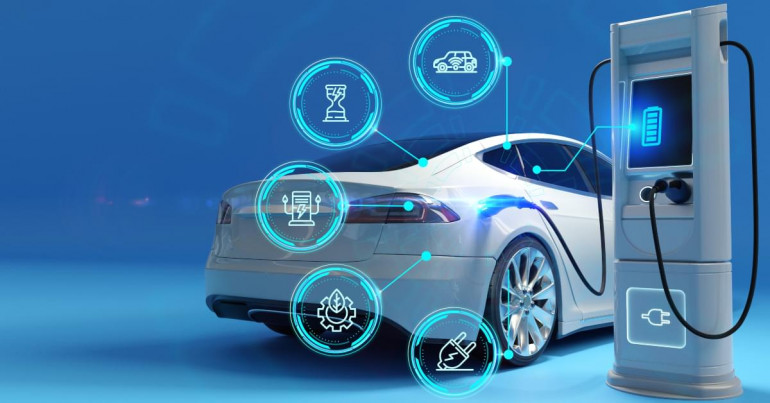
Electric vehicles (EVs) are rapidly becoming one of the most significant innovations in the transportation industry. As governments and automobile manufacturers invest heavily in clean energy technologies, more consumers are choosing electric cars because they produce fewer emissions, require less maintenance, and offer lower operating costs compared to traditional gasoline-powered vehicles.
Improvements in battery technology have played a major role in the growth of electric vehicles. Modern lithium-ion batteries provide longer driving ranges, faster charging times, and greater durability than previous generations. Many new EV models can now travel more than 500 kilometers on a single charge, making them practical for both daily commuting and long-distance travel.
“Electric vehicles are helping build a cleaner, smarter, and more sustainable transportation system.”
Governments worldwide are encouraging EV adoption by offering tax incentives, expanding charging station networks, and implementing environmental policies aimed at reducing carbon emissions. These initiatives support global efforts to combat climate change while promoting renewable energy solutions.
Automobile manufacturers are also introducing advanced technologies into electric vehicles. Features such as intelligent navigation systems, regenerative braking, autonomous driving assistance, and over-the-air software updates are making EVs more efficient, convenient, and safer for drivers.
Despite their advantages, electric vehicles still face several challenges. Charging infrastructure continues to expand but remains limited in some regions. Battery production costs and the availability of raw materials also present ongoing concerns for manufacturers. Researchers are actively developing new battery technologies that are more affordable, environmentally friendly, and capable of charging in just a few minutes.
As technology continues to improve, experts believe electric vehicles will become the standard mode of personal transportation. Their growing popularity represents an important step toward cleaner cities, reduced dependence on fossil fuels, and a more sustainable future for generations to come.